Skip to content
TOPAZIUM Smart Medicine
Imagine human health through a new collective intelligence
TOPAZIUM Smart MedicineTOPAZIUM Smart Medicine
  • Company
  • Ai Platform
  • Products
  • Team
  • News
  • Contact
  • Home
  • Company
  • Ai Platform
    • Preclinical
    • Clinical trials
    • Omics
    • Detection
      • SkinGuard
      • Hades
    • Radiology
      • LivGuard
    • Aging
      • ChestGuard
      • SkinFace
      • SkinHand
      • HealthGuard
    • Oncology
    • Ai Toolbox
  • Products, Services & Consulting
  • Team & Advisors
  • News
  • Contact
  • Legal Notice
  • Aviso Legal
  • Cookies Policy
  • Política de cookies
  • Privacy Policy
  • Política de privacidad

News
View allAging & wellnessAI PlatformBreaking newsCollective IntelligenceCongressCOVIDDermatologyDrug discoveryEventsGeneticsMedical devicesMedicineNutritionOncologyPodcastPress releasePublicationsR&DTopaziumWebinarWellness
Sort by dateSort by name
DescendingAscending

PROCC: a predictive score to identify KRAS wild type metastatic colorectal cancer patients who are likely to obtain survival benefit from panitumumab treatment

22 August, 2025

Background Practice guidelines recommend using panitumumab in combination with chemotherapy to treat KRAS wild-type (WT) metastatic colorectal cancer (mCRC) patients where it was shown to significantly extend progression-free survival (PFS)…

Read more

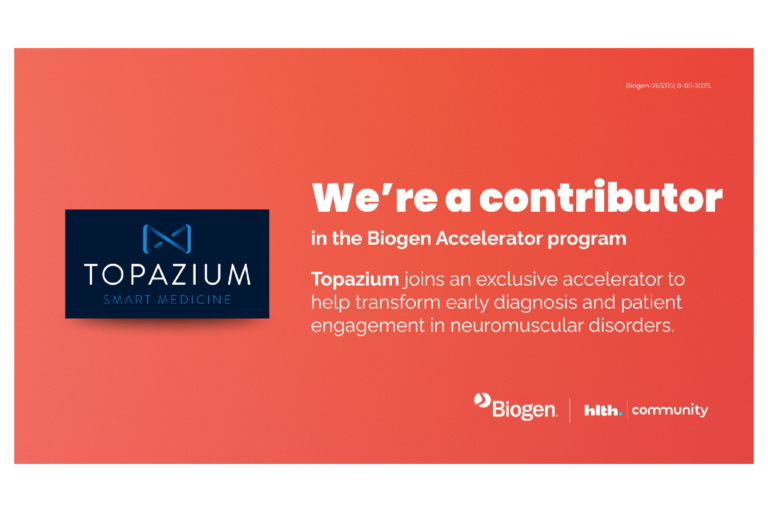
Topazium selected as a contributor in the Biogen Accelerator

11 June, 2025

This exclusive initiative, spearheaded by Biogen (https://www.biogen.com/) and HLTH Inc. (https://hlth.com/), aims to accelerate innovation in the field of rare neuromuscular diseases, with a strong focus on early diagnosis and…

Read more

Hereditary angioedema diagnosis evaluation score (HADES): A new clinical scoring system for predicting hereditary angioedema with C1 inhibitor deficiency

3 February, 2025

Background: Diagnosis of hereditary angioedema (HAE) poses challenges because of its rarity and its overlapping symptoms with allergic and gastrointestinal conditions, resulting in misdiagnosis. Objective: We developed a predictive score…

Read more

Success Story : Topazium, AI for More Human-Centered Care

10 December, 2024

Success Story Topazium: AI for More Human-Centered Care  By José Luis Diez, independent consultant and advisor in information technology, digital transformation, and digital health; business angel for startups. The company…

Read more

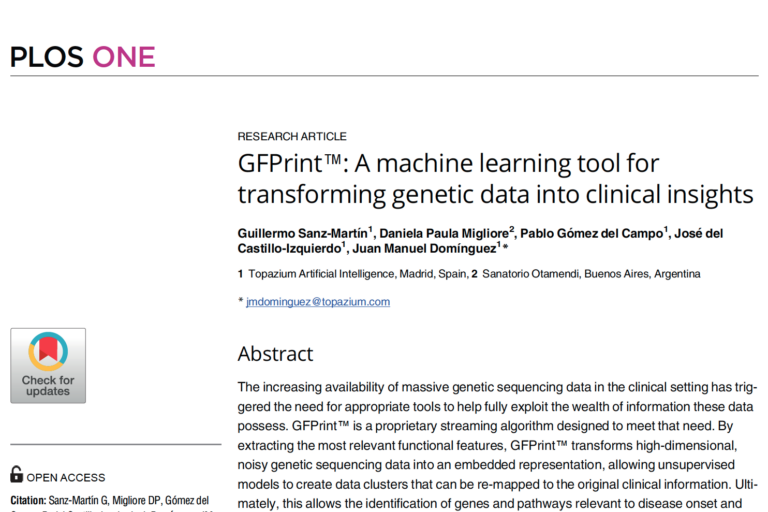
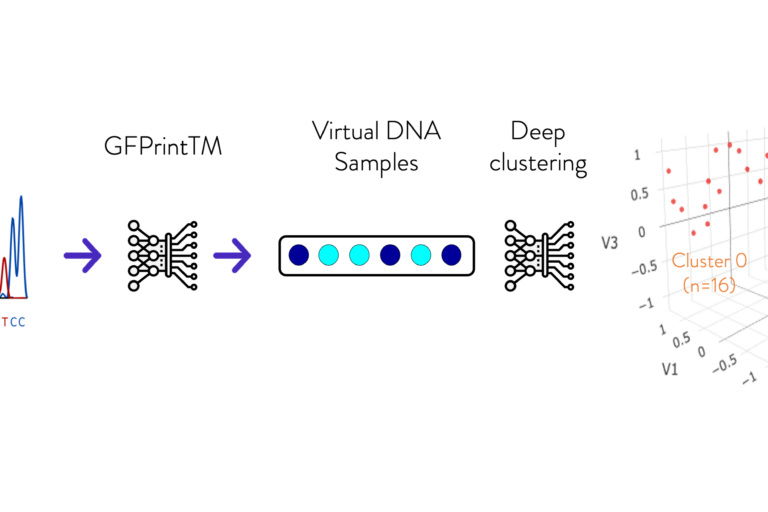
GFPrint™: A machine learning tool for transforming genetic data into clinical insights

28 November, 2024

The increasing availability of massive genetic sequencing data in the clinical setting has triggered the need for appropriate tools to help fully exploit the wealth of information these data possess.…

Read more

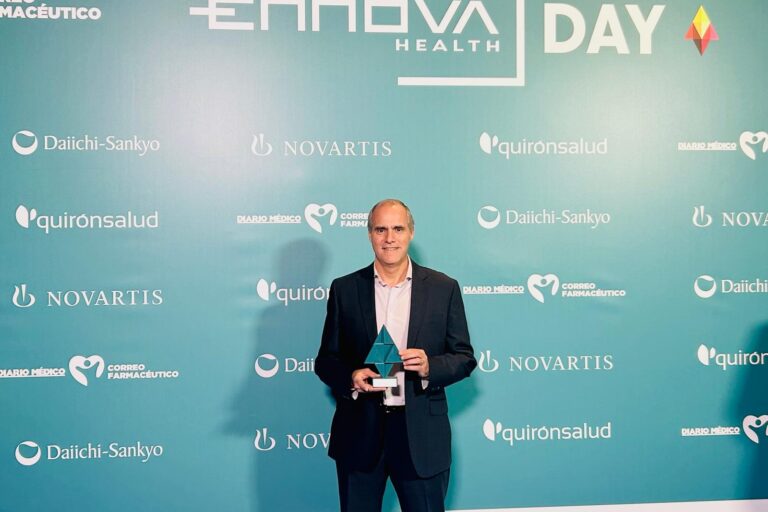
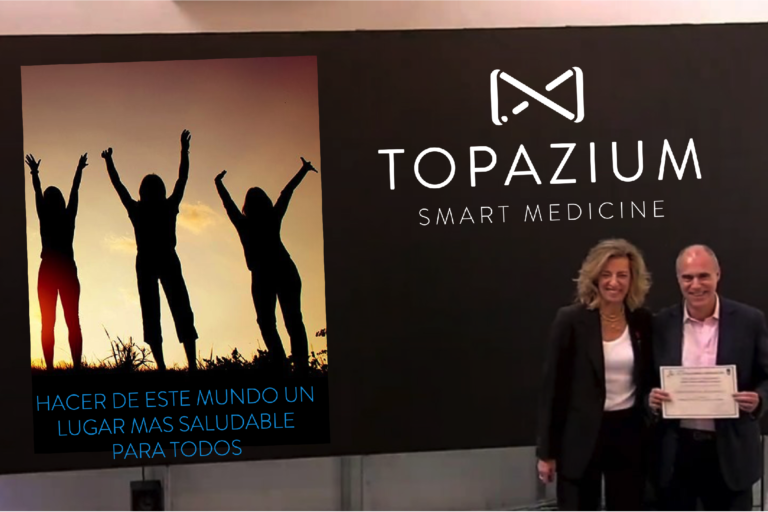
Topazium wins at the Ennova Health Awards 2024

20 November, 2024

Madrid. Topazium has been honored in the IV edition of the Ennova Health Awards organized by Diario Médico and Correo Farmacéutico in the big data and artificial intelligence category.  …

Read more

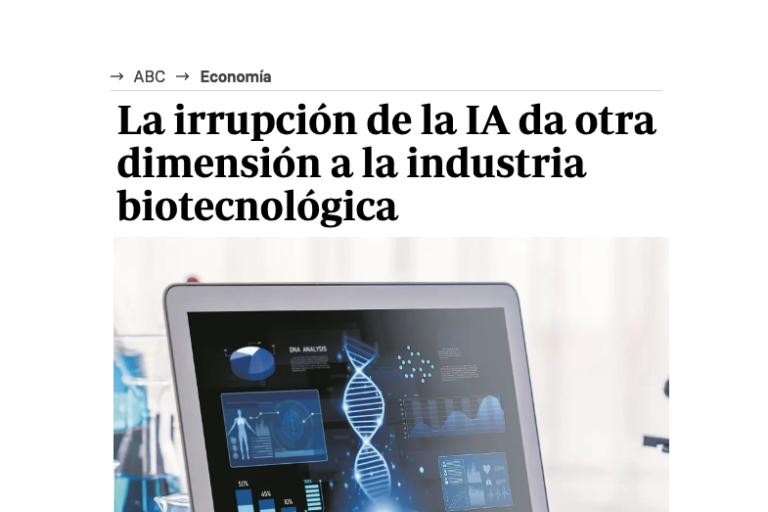
The advent of AI brings a new dimension to the biotech industry

3 November, 2024

ABC  – Laura Montero Carretero – 03/11/2024 The vast potential of the multiplier effect of AI algorithms is opening up a new economic opportunity, one that global giants have already…

Read more

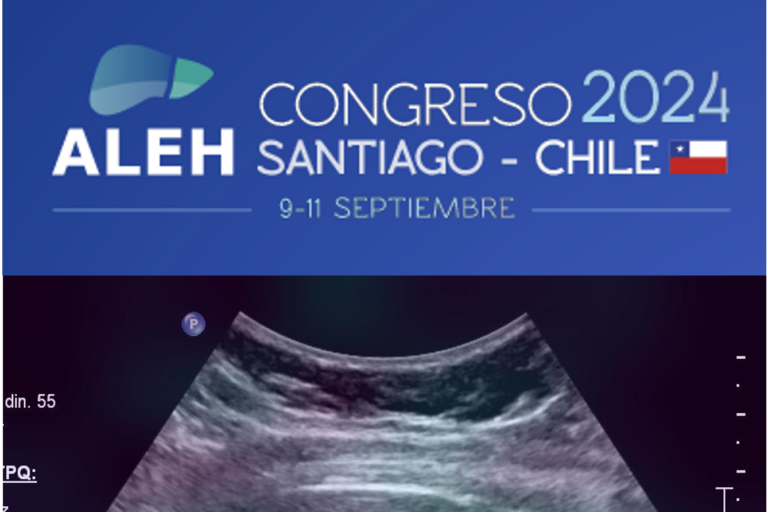
LivGuard, a deep neural network for cirrhosis detection in liver ultrasound (USD)

15 September, 2024

Introduction: Ultrasound (US) is widely used for diagnosing liver disease, particularly cirrhosis, with key signs including liver shape irregularity and echostructure. The classification of liver parenchyma as smooth or coarse,…

Read more

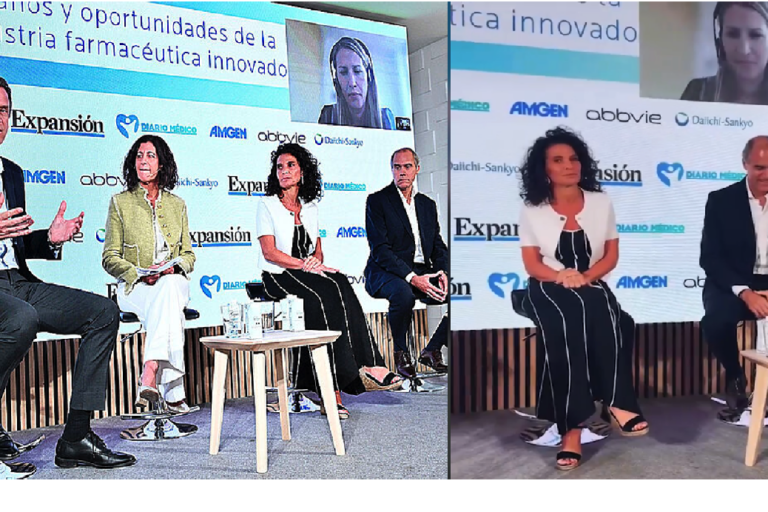
Challenges and opportunities for the innovative pharmaceutical industry

12 September, 2024

Madrid, September 12, 2024. Spain has unique conditions for the development of innovative medicines and a leading role, not only in Europe but globally, due to the excellence of its…

Read more

AI enabled the identification of potential pharmacological targets for the treatment of non-small cell lung cancer

1 September, 2024

The Spanish company specialized in artificial intelligence (AI), Topazium, in collaboration with Biomakers, has presented at a meeting of the prestigious American Society of Clinical Oncology how AI can accelerate…

Read more

BIOMAKERS and TOPAZIUM Unveil Groundbreaking AI Collaboration to Enhance NSCLC Immunotherapy

17 July, 2024

San Francisco, CA – July 17th, 2024 – BIOMAKERS, a Precision Medicine & Biotech Company that supports data-driven Drug Development globally, and TOPAZIUM, an AI-driven healthtech company specializing in drug…

Read more

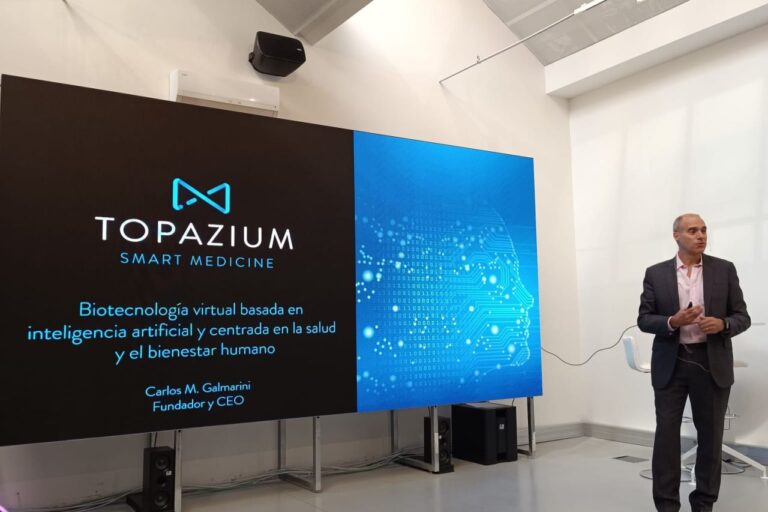
Topazium: AI for Holistic Health

14 June, 2024

The magazine Emprendedores has organised a second meeting to discuss the impact of artificial intelligence (AI) on business. The aim was for the meeting to be practical for all attendees,…

Read more

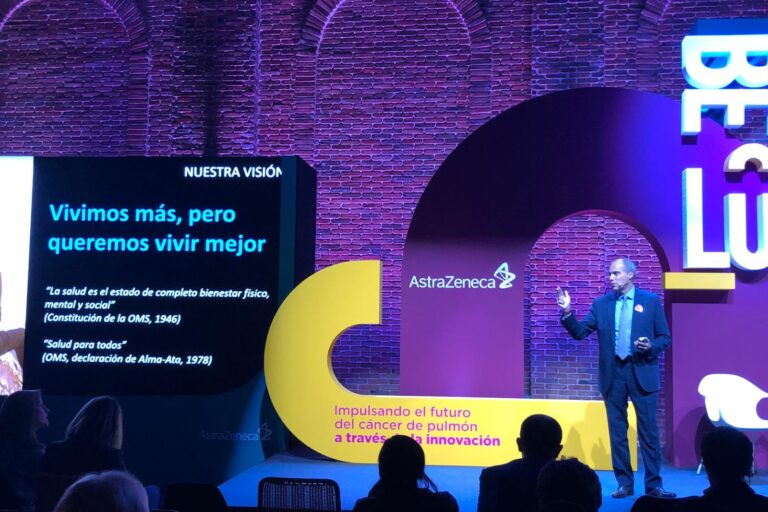
“We live longer, but we want to live better”

11 June, 2024

On June 11, Topazium presented at Madrid Innovation Lab (MIL; https://milmadrid.es/) its project HealthGuard, winner of the challenge “Mechanisms for Predicting and Controlling Chronic Diseases” at the 2023 AI and…

Read more

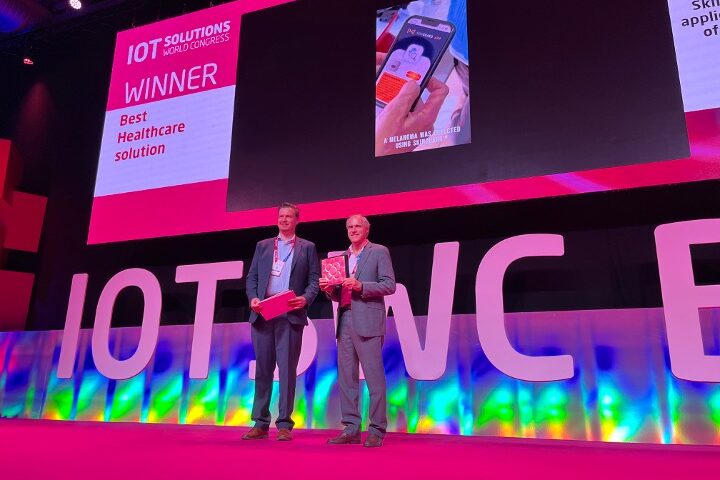
SkinGuard receives the “Best Healthcare Solution Award” at the IOT solutions World Congress

23 May, 2024

SkinGuard is a computer-vision smartphone-based application utilising cutting-edge machine learning technologies to identify malignant skin lesions with an accuracy above 96%. It was fully developed and implemented by Topazium and…

Read more

Identification of genes related to PD-L1 expression in non-small cell lung cancer (NSCLC) tumor samples by GFPrint, a machine learning framework (MLF)

20 May, 2024

Background: The advent of drugs targeting the PD-1/PD-L1 axis has revolutionized NSCLC treatment. Although promising, individual responses to these therapies can vary among individuals, and research is ongoing to better…

Read more

Development and validation of MOSPROC, an easily applicable predictive score of mortality for patients with prostate cancer

19 May, 2024

Background: Predicting life expectancy in prostate cancer patients is particularly difficult as different clinical factors significantly influence clinical outcome. Here we have developed MOSPROC, a simplified mortality predictive score to…

Read more

Ethics or Atics? The role of artificial intelligence in medicine

14 May, 2024

In an era of technological uncertainty, artificial intelligence (AI) emerges as a revolutionary tool capable of transforming multiple sectors, including medicine. However, it is crucial to understand its role as…

Read more

GFPrint and PredLung nominated finalists in the AstraZeneca’s BeLung Innovation challenge

26 April, 2024

Two machine learning frameworks developed in Topazium, GFPrint™ and PredLung™, have been used to extract important information from cancer patients, in particular from lung cancer patients, that may serve to…

Read more

Artificial Intelligence (AI) and Target Identification

20 March, 2024

Some analyses of last year’s progress in AI-powered drug discovery indicate that none of the molecules fully generated by artificial intelligence (AI) were taken from discovery through clinical development. Although…

Read more

GFPrint™: a machine learning tool for transforming genetic data into clinical insights

14 March, 2024

The increasing availability of massive genetic sequencing data in the clinical setting has triggered the need for appropriate tools to help fully exploit the wealth of information these data possess.…

Read more

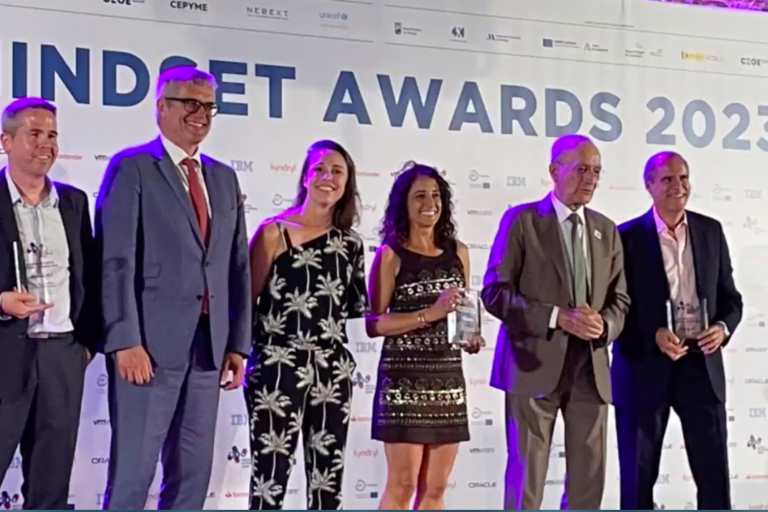
Topazium Receives the 2023 Artificial Intelligence and Advanced Technologies Award from the Madrid City Council for HealthGuard™

21 February, 2024

Madrid, February 21, 2024. Topazium, a company specializing in the application of artificial intelligence in the field of biomedicine, has been awarded the 2023 Artificial Intelligence and Advanced Technologies Award…

Read more

Nutritional AI: Making Our Shopping Baskets Healthier

5 February, 2024

In the digital age, artificial intelligence (AI) has emerged as a transformative force across numerous sectors, including the food industry. Notably, AI has become a key tool in detecting and…

Read more

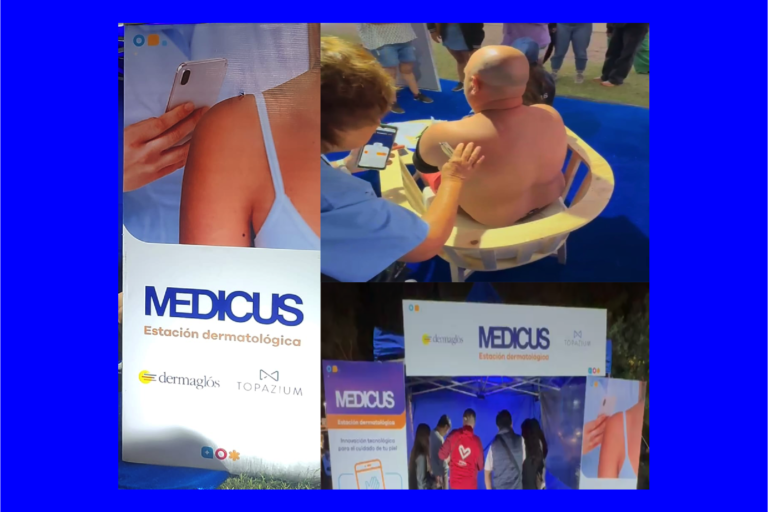
SkinGuard, a key player in early detection of skin cancer on the beaches of Argentina

29 January, 2024

According to data from the Argentinean Society of Dermatology (SAD), 40% of Argentines claim to protect themselves from the sun occasionally and more than 60% do not renew sun protection…

Read more

Revista Emprendedores has selected Topazium as one of the 50 most innovative Spanish start-ups of 2023

20 December, 2023

Revista Emprendedores have searched for the most innovative projects of 2023 in the Spanish market to produce the 8th Emprendedores List of innovative startups. Spanish, innovative and very young. We…

Read more

Podcast KREAB Fika Café – Antonio San José

4 September, 2023

Artificial intelligence brings to medicine a different and more complete data analysis system than those used to date. In the latest episode of KREAB Fika Café, Carlos M. Galmarini reflected…

Read more

AI Is Revolutionizing Pharmacological Research

3 July, 2023

Artificial intelligence (AI) has become a promising tool for the discovery of pharmaceuticals, as it can enhance the probabilities of success and adds greater precision, speed and profitability to a…

Read more

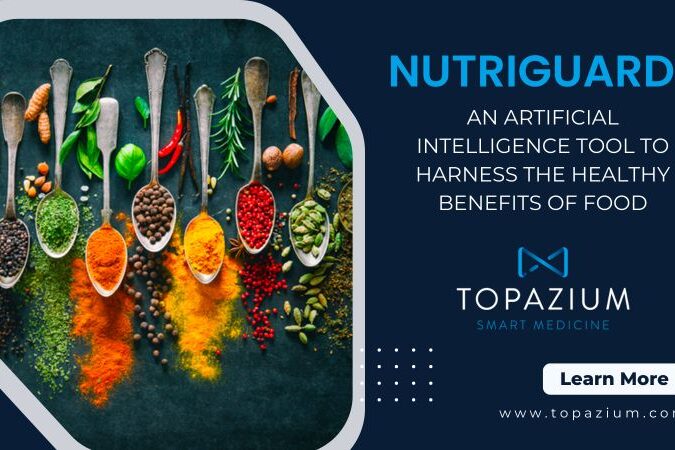
NutriGuard™ selected finalist for the Best Health Data Driven Innovation Award at DES#2023

14 June, 2023

NutriGuard™, Topazium’s AI tool to harness the healthy benefits of food, has been selected as a finalist for the Awards category: BEST HEALTH DATA-DRIVEN INNOVATION at #DES2023*! NutriGuard™ purpose is to…

Read more

Artificial intelligence in drug discovery: combining clinical and genomic data from cancer patients to identify genetic biomarkers and potential novel targets

1 June, 2023

Drug discovery is a costly process affected by a high attrition rate. The huge investment from pharma industry in past years has generated a vast wealth of information in the…

Read more

AI in regulated medical solutions: overcoming the risk, embracing the benefit

21 March, 2023

AI has become a much more common element of medical devices in the past few years, with submissions increasing rapidly over the last 3 years. This significant growth is being…

Read more

Artificial Intelligence, an Ally for Health

13 March, 2023

If we asked the most famous artificial intelligence (AI) based chat today about the role that data analysis plays in everyday clinical practice, it would respond that it is increasingly…

Read more

Nutraceutical & functional food research & development webinar

21 February, 2023

NutriGuard is a machine learning framework designed and developed by Topazium to harness the potential of food components for promoting and preserving health. It is inspired by the need to understand…

Read more

Finding a needle in a haystack: virtual screening, an artificial intelligence approach to drug discovery

2 February, 2023

Artificial intelligence (AI) is a technology well suited for dealing with large amounts of information and has long been considered a promising tool in drug discovery. It has made steady…

Read more

A machine learning (ML) approach for identifying genetic biomarkers and new molecular targets associated with impaired survival of breast cancer patients

18 November, 2022

BACKGROUND Machine learning (ML) tools are suitable to dive vast amounts of clinical and genetic information in order to identify genetic biomarkers of worse survival and potential new molecular targets.…

Read more

Prospective evaluation of SkinGuard, a deep algorithmic framework for the classification of neoplastic skin lesions

10 November, 2022

Introduction. Diagnostic errors between nevic lesions and skin tumors are frequent for non-specialist physicians. Therefore, there is a need to create a simple and practical tool based on artificial intelligence…

Read more

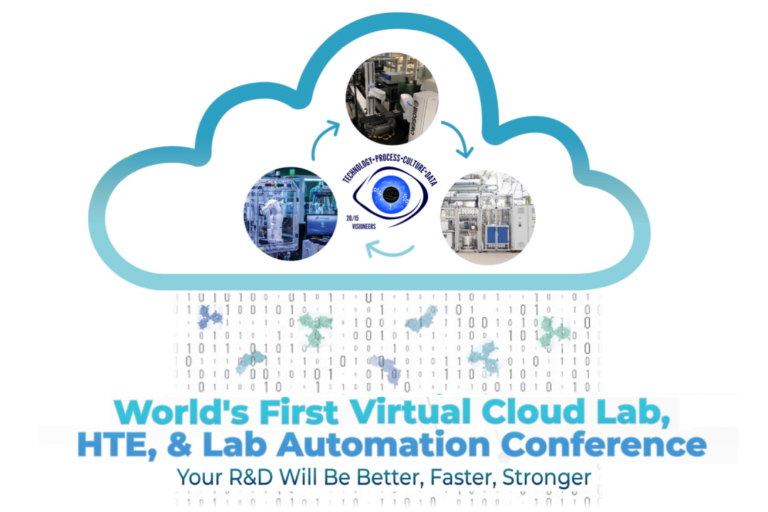
Harnessing the power of AI and HTE, cloud lab and automation data to transform drug discovery

8 November, 2022

Drug discovery is a lengthy and costly process affected by a high attrition rate. The revolution in experimental sciences brought about by HTE, cloud labs and lab automation should represent…

Read more

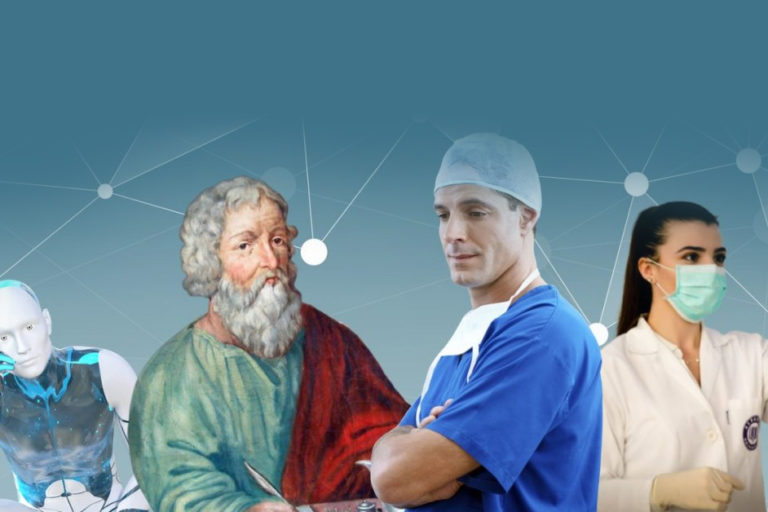
El arte de la medicina hipocrática y la IA: un binomio al servicio del paciente

6 October, 2022

En un mundo en constante cambio y evolución como el nuestro, pocos métodos o doctrinas pueden tener el honor de permanecer vigentes durante más de 2.000 años. Uno de estos…

Read more

Globant and Topazium Announce Partnership to Deliver AI-Powered End-to-End Solutions to the Life Sciences Industry

28 September, 2022

Globant and Topazium join to create new paradigms in drug discovery, clinical research, diagnostics, and well-being MADRID – September 27, 2022 – Globant (NYSE: GLOB), a digitally native company focused…

Read more

A deep learning framework (DLF) to identify clinical predictors of disease progression and mortality in metastatic castration-resistant prostate cancer (mCRPC) patients treated with docetaxel/prednisone (DP)

5 June, 2022

Background: Treatment with DP improves survival in mCRCP but is associated with significant toxicity. The question remains as to whether the improved survival is worth the toxicity risk. In this…

Read more

Profiling of clinically relevant subgroups of asymptomatic or mild-symptomatic metastatic castration-resistant prostate cancer (mCRPC) patients using PSA and testosterone levels and deep learning

4 June, 2022

Background: The optimal time to begin therapy in mCRPC patients who have either no, or minimal symptoms is not defined yet. Estimating prognosis of these patients can avoid undertreatment or…

Read more

Development and validation of a predictive score to identify K-Ras wild-type (WT) metastatic colorectal cancer (mCRC) patients who are likely to benefit from Panitumumab (P) treatment

3 June, 2022

Background: Practice guidelines recommend using P to treat K-Ras WT mCRC patients where it was shown to significantly extend overall survival (OS). Still, a proportion of patients will not achieve…

Read more

Analysis of transcriptomic responses to SARS-CoV-2 reveals plausible defective pathways responsible for increased susceptibility to infection and complications and helps to develop fast-track repositioning of drugs against COVID-19

1 June, 2022

Background: To understand the transcriptomic response to SARS-CoV-2 infection, is of the utmost importance to design diagnostic tools predicting the severity of the infection. Methods: We have performed a deep…

Read more

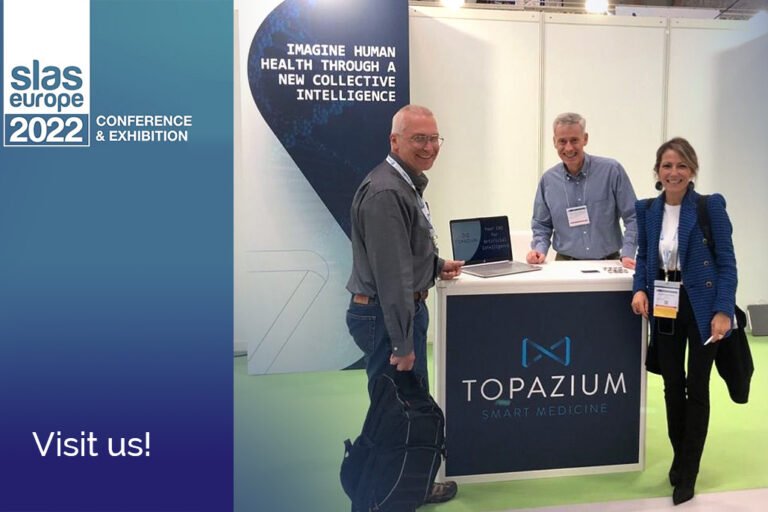
Visit our booth at SLAS Europe 2022!

25 May, 2022

Visit our booth at SLAS Europe 2022 and see how our AI systems can improve your drug discovery programs!

Read more

TOPAZIUM selected for the SLAS 2022 Innovative AveNEW lineup!

3 May, 2022

Topazium has been selected for the final Innovative AveNEW lineup at #SLASEurope22 in Dublin. Very honored for this recognition and eager to share out latest advances in such a renowned forum within…

Read more

TOPAZIUM is selected for the StartupsMeetHealthcareProviders program

27 April, 2022

We are very proud to announce that we are one of the seven companies selected in the Start-ups Meet Healthcare Providers program. The programme matches the start-ups behind the innovative…

Read more

TOPAZIUM receives the “INNOVATIVE SME” label!

24 February, 2022

We have been labeled as “Innovative SME” from the Ministry of Science and Innovation.

Read more

Ageing and Carcinogenesis

12 February, 2022

Despite their wide differences (1), most theories about cancer proposed during the past century agree that cancer is a biological nonsense for the organism in which it originates since cancer…

Read more

Would you like to be part of a team that works every day to create a wiser medicine?

26 January, 2022

CAREERS Open positions. We are expanding our team in Madrid. If you’re looking for a new challenge which will fulfil and inspire you, join us:   SENIOR ARTIFICIAL INTELLIGENCE MANAGER…

Read more

TOPAZIUM receives NEOTEC GRANT!

20 January, 2022

We are very proud to share that we have been awarded by the Centre for the Development of Industrial Technology (CDTI) with a NEOTEC 2021 grant. This public support will…

Read more

Detecting panitumumab/FOLFOX responders in K-Ras wild-type metastatic colorectal cancer through an artificial intelligence-based analytical tool

30 June, 2021

Background: Patients with K-RAS wild-type (WT) metastatic colorectal cancer (mCRC) are currently considered the optimal candidates for upfront treatment with combinations of chemotherapy and EGFR inhibitors. These combinations significantly extend…

Read more

Use of deep learning frameworks to detect super-responder and super-survivor stage IV squamous non-small-cell lung cancer (NSCLC) patients treated with a gemcitabine and cisplatin combination

23 May, 2021

Background: Synthetic fingerprints integrate clinical data within computational models allowing the identification of particular clinical subpopulations at a given moment. We here describe a deep learning strategy to detect super-responder…

Read more

Predicting disease progression and mortality in metastatic colorectal cancer patients (mCRC) through an artificial intelligence-based analytical tool

23 May, 2021

Background: Predicting the clinical course of metastatic disease remains a key challenge in CRC. Estimating prognosis of these late-stage patients can avoid undertreatment or overtreatment and also guide the follow-up…

Read more

Deep Neural Frameworks Improve the Accuracy of General Practitioners in the Classification of Pigmented Skin Lesions

3 December, 2020

This study evaluated whether deep learning frameworks trained in large datasets can help non-dermatologist physicians improve their accuracy in categorizing the seven most common pigmented skin lesions. Open-source skin images…

Read more

Why we do what we do. A brief analysis of cancer therapies

6 November, 2020

The goal of all medical activity is to preserve health in fit people, and to restore the sick into a state of complete physical, mental and social wellbeing. In an…

Read more

Artificial intelligence: a disruptive tool for a smarter medicine

20 August, 2020

Although highly successful, the medical R&D model is failing at improving people’s health due to a series of flaws and defects inherent to the model itself. A new collective intelligence,…

Read more

Covid-19: la inteligencia artificial al servicio de la medicina

1 July, 2020

A medida que se acelera y agrava la situación sanitaria de Covid-19, es inminente la utilización de tecnologías que permitan no sólo frenar la propagación del virus sino también detectarlo…

Read more

Lessons from Hippocrates: time to change the cancer paradigm

8 June, 2020

The ultimate goal of all medical activity is to restore patients to a state of complete physical, mental, and social wellbeing. In cancer, it is assumed that this can only…

Read more

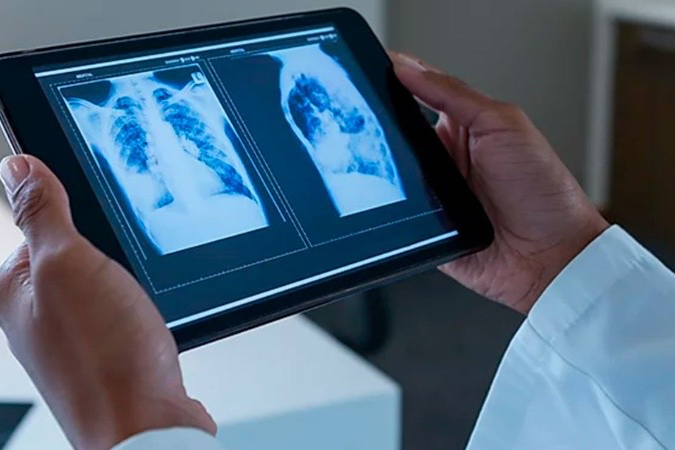
Robust COVID-19-related condition classification network

27 May, 2020

COVID-19 can exponentially precipitate life-threatening emergencies as witnessed during the recent spreading of a novel coronavirus infection which can rapidly evolve into lung collapse and respiratory distress (among other various…

Read more

Deep neural frameworks improve the accuracy of general practitioners in the classification of pigmented skin lesions

15 May, 2020

Artificial intelligence can be a key tool in the context of assisting in the diagnosis of dermatological conditions, particularly when performed by general practitioners with limited or no access to…

Read more

Topazium joins the largest telemedicine network in Latin America

6 May, 2020

A new partner in the largest telemedicine network in Latin America: Topazium Artificial Intelligence and Telmed shares the same vision: uniting against COVID-19 by providing a high-quality, collaborative and technological…

Read more

Augmented Dermatology: Pioneer of Artificial Intelligence in Healthcare

2 March, 2020

Skin lesions are one of the most common human diseases and affect millions of people worldwide 1. Moreover, its prevalence will raise every year due to the aging of the…

Read more

Smarter Medical Research Through a New Collective Intelligence

1 October, 2019

Around 200 billion US dollars are invested every year in medical research worldwide (1). The result of this collective effort has been astonishing: In just 100 years, life expectancy rocketed…

Read more

From Hippocrates to Artificial Intelligence

18 July, 2019

Moving Towards a Collective Intelligence “The physician should convert or insert wisdom into medicine and medicine to wisdom.” (Hippocrates, physician, 460 BC – 370 BC). Modern medicine is based upon…

Read more


Calle Bahía de Pollensa 5.
28042 Madrid (Spain)
–
Email: info@topazium.com

PAGES
  • Company
  • Artificial Intelligence Platform
  • Products, Services & Consulting
  • Team & Advisors
  • News & Publications
  • Contact
AI PLATFORMS AREAS
  • Topazium Preclinical
  • Topazium Clinical trials
  • Topazium Omics
  • Topazium Detection
  • Topazium Aging
  • Topazium Oncology
FOLLOW US

Topazium Linkedin


Legal Notice / Aviso Legal

Cookies Policy / Política de Cookies

Privacy Policy / Política de Privacidad

Topazium - Financiado EU

Subvencionado por CDTI. Proyecto SNEO-20211030 Inteligencia artificial para la detección, diagnóstico, pronóstico y personalización terapéutica de enfermedades neoplásicas. Presupuesto aprobado: 321.407€. Período de ejecución 01/01/2022-31/03/2023. Resumen de objetivos: Objetivo 1. Desarrollo de productos de integración global de datos médicos: generación de gemelos digitales: desarrollo de Genetic Fingerprint. Objetivo 2. Desarrollo de productos de IA de clasificación y predicción para resolución de problemas médicos específicos: desarrollo de SkinGuardTM y ChestGuardTM entre otras.

Go to Top
We use our own- and third-party cookies in order to guarantee the correct functioning of the website and to carry out statistics on user behaviour. CONFIGUREACCEPT
Privacidad y Política de cookies

Privacy Overview

This website uses cookies to improve your experience while you navigate through the website. Out of these cookies, the cookies that are categorized as necessary are stored on your browser as they are essential for the working of basic functionalities of the website. We also use third-party cookies that help us analyze and understand how you use this website. These cookies will be stored in your browser only with your consent. You also have the option to opt-out of these cookies. But opting out of some of these cookies may have an effect on your browsing experience.
Necessary
Always Enabled
Necessary cookies are absolutely essential for the website to function properly. This category only includes cookies that ensures basic functionalities and security features of the website. These cookies do not store any personal information.
Non-necessary
Any cookies that may not be particularly necessary for the website to function and is used specifically to collect user personal data via analytics, ads, other embedded contents are termed as non-necessary cookies. It is mandatory to procure user consent prior to running these cookies on your website.
SAVE & ACCEPT
Advanced Prostate cancer

Advanced Prostate cancer – Docetaxel: Treatment with docetaxel improves survival in mCRPC but is associated with significant toxicity. The question remains as to whether the improved survival is worth the toxicity risk. Based on baseline clinical information, we have developed a simplified predictive tool to identify those patients on which treatment with docetaxel is likely to be beneficial.

Advanced Colorectal Cancer

Advanced colorectal cancer – Anti-EGFR antibodies: Practice guidelines recommend using anti-EGFR antibodies (e.g., cetuximab, panitumumab, etc.) to treat K-Ras wild-type mCRC patients where it was shown to significantly extend overall survival (OS). Still, a proportion of patients will not achieve this goal. Based on baseline clinical information, we have developed a simplified predictive tool to identify patients who are likely to benefit from anti-EGFR treatment.

Liver

LivGuard: is an AI-powered framework designed to identify signs of cirrhosis in liver ultrasound images. Engineered to be user-friendly, the system enables health professionals -regardless of their level of training- to upload images and receive results processed by an advanced deep neural network. It highlights regions likely to be cirrhotic, expediting detection and broadening access to medical imaging expertise, especially in regions with limited availability of hepatology specialists.

Ai ToolBox

Signal Healer: is a powerful tool designed to address missing values in datasets. By performing supervised training on a tailored deep neural network, it uncovers variable dependencies across features, ensuring data integrity and reliability. The current version assumes independence between rows and treats all features as continuous. Future updates will expand its capabilities to handle diverse data types, including time series, images, and graphs, making it an even more versatile solution for AI developers.

Wearables

HealthGuard: As chronic diseases increase with an aging population, Topazium’s HealthGuard steps in to transform nutrition and health. By pairing data from smartwatches and wearables with healthy foods, HealthGuard generates personalized food recommendations tailored to an individual’s health profile. This innovation not only enhances nutrition but also creates a pathway to improved quality of life and reduced risk of chronic diseases.

Cancer

Patient-Drug Mapper: A significant number of hi-potential drugs end up falling through the cracks given their testing on patients with incompatible individual profiles. Topazium’s analytics allow the mapping of genetic and clinical patient’s conditions to a whole universe of experimental and approved drugs. Also, it can be used to produce a rank of matching alternative drugs given a patient’s profile, aiming both to increasing treatment efficiency whilst allowing drug re-profiling of vintage failed projects.

Pediatric

Pediatric Hand/Wrist X-rays: Traditional methods for calculating bone age using X-rays of the left wrist, hand, and fingers can be time-intensive and cumbersome. Topazium’s innovative solution streamlines this process with an algorithmic framework that provides instant age estimations. With a mean absolute error of approximately four months, this tool delivers rapid and reliable assessments of skeletal maturity, making it a valuable resource for pediatric healthcare professionals.

Radiology

Radiology Chest X ray: Topazium’s advanced framework calculates an individual’s biological age based on chest X-ray data, identifying key factors that differentiate biological from chronological age. This tool empowers healthcare professionals to recommend targeted interventions, bridging the gap between these two ages and advancing personalized care.

Radiology

Pneumothorax Diagnostician: Clinical suspicion of pneumothorax is usually confirmed by a radiologist based on a chest X-ray, a procedure which could be challenging if performed by professionals without extensive training. Topazium has implemented a framework that can detect and localize a pneumothorax in a given chest X-ray unsupervisely.

X-rays | Lung cancer

Thorax X-Rays Lung cancer: Topazium has developed a state-of-the-art deep learning network to detect and highlight signs of lung cancer on frontal chest radiographs. By generating heatmaps and providing probability assessments for suspicious regions, the system assists in the accurate identification of lung cancer presence or absence. This breakthrough technology supports healthcare professionals in early lung cancer detection -critical for improving outcomes for this severe disease.

Preclinical

IngrID (Ingredient Identifier): is a cutting-edge tool designed to match the most suitable food ingredients to achieve specific nutritional benefits. Whether the goal is to maintain a healthy lifestyle or prevent imbalances in physiological parameters, IngrID empowers nutraceutical researchers to uncover natural products rich in bioactive compounds. With IngrID, personalized nutrition takes a leap forward, helping people stay ahead in the pursuit of wellness.

Info

Today, people are living longer than ever before. Global life expectancy at birth has risen to 73.3 years, with healthy life expectancy reaching 63.7 years. However, this increased longevity brings new challenges, as non-communicable diseases (NCDs) have become the leading health risks for aging populations. NCDs are responsible for approximately 43 million deaths annually, representing 75% of all global deaths. According to the WHO, early detection and treatment of NCDs are crucial for mitigating their impact, both in improving health outcomes and reducing economic burdens. The WHO’s strategy for controlling NCDs is holistic and multidisciplinary, focusing on four key stages:


  1. 1. Primary prevention: Promoting healthy behaviours and lifestyles to prevent the onset of NCDs and increase life expectancy.


  1. 2. Precise diagnosis: Ensuring early and accurate diagnoses to enable timely and effective treatment, with screening strategies critical to reducing mortality.


  1. 3. Accurate prognosis: Understanding disease progression to support informed decision-making by patients and healthcare providers at every stage.


  1. 4. Personalized, curative treatments: Tailoring treatments to the unique needs and circumstances of each patient to optimize therapeutic outcomes.


Topazium aligns with the WHO’s vision by harnessing the power of AI technology to address these four stages. By integrating advanced AI with human expertise, Topazium develops innovative solutions to reduce the incidence, morbidity, and mortality of NCDs, ultimately improving quality of life on a global scale.


Data source: https://www.who.int/news-room/fact-sheets/detail/noncommunicable-diseases

Advanced eNSCLC Cancer

Advanced eNSCLC Cancer Gemcitabine/Cisplatin combination: For individuals diagnosed with advanced squamous non-small cell lung cancer and exhibiting a favourable performance status, the initial therapeutic recommendation typically involves chemotherapy utilizing gemcitabine and cisplatin. However, an ongoing inquiry persists regarding the balance between the enhanced survival rates (showing a 20% decrease in the risk of mortality compared to optimal supportive care) and the potential for treatment-related toxicity. By leveraging deep computational models, Topazium’s tool has the capability to pinpoint patients who are predisposed to exceptional responses or prolonged survival following administration of this chemotherapy combination.

Laboratory test

Biological Age Predictor: Topazium has designed and implemented a framework to accurately estimate a subject’s biological age from routine laboratory tests’ outputs. Additionally, it identifies the key metrics responsible for the potential basis between biological and chronological age, allowing professionals to prescribe rectifying actions aiming to close the referred biological/chronological age gap.

Dermatology

Dermatology SkinFace: This AI-powered application evaluates facial skin age using frontal photos, helping healthcare professionals align perceived age with biological skin health. The system generates heatmaps and probability scores to highlight areas of altered aging, supporting nutricosmetic approaches. By targeting specific nutrients and active ingredients, it promotes improved skin health and wellness tailored to individual needs.

Dermatology

Dermatology SkinHand: Topazium’s cutting-edge technology analyses hand images to accurately determine skin age, offering healthcare professionals a deeper understanding of the skin’s true biological condition. This innovation complements nutricosmetic strategies by leveraging nutrients and active ingredients in topical products to improve skin health and overall well-being, bridging the gap between appearance and biological reality.

X-rays | Global

Thorax X-Rays Global: Chest radiography is one of the most frequently performed radiological examinations worldwide. Powered by advanced deep neural networks, Topazium has developed an algorithmic framework capable of detecting and localizing abnormal radiological signs on frontal chest radiographs. The system also generates a heatmap, highlighting the regions of the image where abnormalities are detected. Designed to enhance access to medical imaging expertise, this tool is particularly valuable in regions with limited access to skilled radiologists, bridging the gap in healthcare delivery.

X-rays | Covid-19

COVID-19 detector: Our tool uses a deep convolutional network to detect and locate radiological signs associated with COVID-19 in frontal chest radiographs, differentiating them from those associated with common bacterial and viral pneumonias. The physician supplies the anonymized radiological image via a cell phone, website, or email to the cloud. The system also generates a heatmap indicating the region of the image where the algorithm detects radiological signs associated with this pathology.

Phatology

Lymph Node Metastasis Detector: Defining the presence or absence of lymph node metastases is essential in cancer diagnostics and staging, as it affects treatment and prognosis. This task is highly relevant but requires large amounts of reading time from a pathologist on-site or close to the point-of-care to analyze the samples. TOPAZIUM’s framework can detect cancer metastases in lymph nodes with an accuracy similar to the efficiency reported in the literature by expert pathologists.

Rare Disease

Hereditary Angioedema: HADES is a predictive scoring system crafted to facilitate the early detection of hereditary angioedema (HAE), a rare condition frequently misdiagnosed due to overlapping symptoms with other disorders. By analyzing a select set of clinical variables, HADES offers a robust clinical performance. This simple yet powerful tool has the potential to transform HAE detection and improve patient outcomes.

Dermatology

Pigmented lesions: Skinguard is an advanced technological tool designed to assist healthcare professionals in improving their skills for detecting skin cancer. Simulating the teledermatology process, Skinguard analyzes a patient’s skin image and delivers a straightforward assessment by providing a “similarity score” that indicates how closely a lesion resembles either benign or malignant cases. It’s a valuable tool for enhancing precision in early skin cancer detection.

Retinopathies

Diabetic retinopathy (DR) can affect anyone with hyperglycemia, though it primarily impacts people who have had diabetes for many years. It can cause permanent blindness if left undiagnosed and untreated. Clinicians can identify DR by ophthalmoscopy or retinopathy. While these approaches are effective, they require a high degree of expertise. Topazium has developed a framework that can automatically classify ocular fundus images according to the various severity degrees of DR.

Omics

Tumour Genetic Age: Cancer evolves differently based on the age of the patient, often leading to distinct tumour characteristics. Topazium’s Tumour Deep Clock tool analyzes the “mutational age” of tumours by profiling their gene signatures. By modeling cancer’s molecular landscape as a function of age, this tool identifies “young-tumour” and “old-tumour” genotypes, maps age-related biological changes, and connects these insights to clinical outcomes and tailored treatment approaches.

Omics

Microbiome Fingerprint: Topazium’s Microbiome Fingerprint tool harnesses machine learning to analyze vast microbiome datasets, identifying and categorizing microorganisms, predicting their roles, and exploring their interactions with the host. By translating intricate microbiome data into actionable clinical insights, this tool provides a powerful resource for advancing personalized medicine and understanding microbiome-driven health outcomes.

Omics

Methylation Fingerprint: Our Methylation Fingerprint tool deciphers complex DNA methylation patterns across the genome using cutting-edge machine learning algorithms. This framework links methylation to gene activity and phenotypic traits, helping researchers identify associations between methylation patterns and diseases or traits at the population level, offering new perspectives for precision medicine.

Omics

RNA Fingerprint: Topazium’s RNA Fingerprint tool applies advanced machine learning to RNA sequencing data, uncovering critical factors tied to specific health conditions. Using proprietary encoding methods, this system efficiently detects patterns and categorizes data, paving the way for the discovery of RNA biomarkers that drive disease progression and inform the development of targeted therapies.

Omics

Genetic Fingerprint: Our innovative machine learning framework leverages next-generation sequencing techniques -such as genome-wide, whole-exome, and gene-panel sequencing- to uncover data-driven insights into key genetic factors linked to specific health outcomes. With proprietary encryption methods, Topazium ensures secure genetic data analysis, enabling rapid pattern recognition, classification, and prediction. This approach identifies critical genetic biomarkers for the onset and progression of diseases like cancer, accelerating drug discovery, development, and personalized treatment strategies.

Mode of Action

Virtual Target Identification: Identifying novel therapeutic targets is a critical step in successful drug discovery. To avoid the high costs associated with target validation, it’s essential to focus on candidates supported by strong scientific evidence. Topazium’s Virtual Target Identification tool harnesses vast genetic datasets to uncover proteins consistently linked to the onset of pathological conditions, streamlining the discovery process and driving precision in target selection.

Molecular Modeling

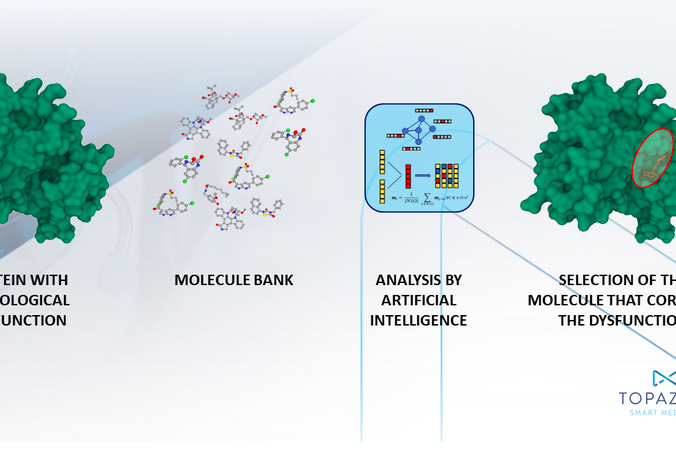
Virtual Docking: When the physiological effects of a chemical entity are known, but the primary target remains unidentified, Topazium’s Virtual Docking steps in. This powerful tool uses cutting-edge neural network algorithms to explore interactions between candidates and specific targets, pinpointing the most likely match. Additionally, it reveals critical binding interactions within the target’s cleft, providing insights for chemical optimization and advancing drug development efforts.

Drug Screening

Virtual Screening: The discovery of potential therapeutic molecules often requires testing an overwhelming number of compounds—a process that can be both time-consuming and costly. Topazium’s Virtual Screening tool leverages advanced deep learning strategies to identify compounds with the highest likelihood of interacting with a specific therapeutic target. By narrowing the focus to the most promising candidates, this tool ensures experimental efforts are invested where success is most probable, saving time and resources.

Preclinical

TNDR (Topazium Network for Drug Repurposing): redefines therapeutic innovation by connecting chemical compounds to diseases through advanced neural networks. Harnessing molecular disease data and chemical compound properties, TNDR discovers new therapeutic uses for existing drugs, identifies novel indications for emerging compounds, and highlights approved drugs to tackle unmet medical needs. Each compound-disease pair is assigned a match score, signaling its therapeutic potential and unlocking new horizons in drug repurposing.

Preclinical

GeneSight: uncovers the molecular pathways driving the physiological effects of chemical compounds. By providing in-depth molecular insights, GeneSight reveals the molecular mechanisms behind these effects, paving the way for groundbreaking discoveries in precision nutrition and pharmacology.

Preclinical

MetaPharm: Optimal nutrition is the cornerstone of health and well-being, forming the very foundation of metapharmacology. By leveraging state-of-the-art neural networks, MetaPharm analyzes vast global pharmacological data to identify food ingredients and components that can deliver targeted nutritional benefits. With MetaPharm, we aim to make precision nutrition a reality.

Dermatology

Melanoma: Diagnosis in dermatology is largely based on visual inspection of a lesion or the suspicious skin area, depending largely on the experience and training of the dermatologist (or, general practitioners in areas where dermatological services are not readily available). Topazium’s framework currently classifies seven common pigmented-skin lesions with an accuracy similar to the efficiency reported in the literature by well-trained dermatologists.

Privacy policy

TOPAZIUM WEB DATA PROTECTION POLICY


Who is the Data Controller?

The controller of your personal data is TOPAZIUM with registered office in Paseo de la Castellana 40, 8th floor, 28046, Madrid, Spain.

For any queries or requests you have about data protection, you can contact TOPAZIUM at the following email address: info@topazium.com


What are the purposes of processing personal data?

  1. A) Contact mail:

In the event that you have filled in your details in the “Contact Us” section, TOPAZIUM will process your personal data in order to respond to and manage your contact request by resolving the request for information you may have required.

TOPAZIUM will only process the personal data that you provide together with the message sent through the form.

The processing of this personal data by TOPAZIUM to resolve your query is based on the interest of TOPAZIUM to offer the best possible service to any third party interested in the activity of TOPAZIUM.

  1. B) Cookies:

The TOPAZIUM website installs cookies on users’ browsing devices in order to ensure the proper functioning of the website and to analyze the behavior of users. The installation of cookies is carried out voluntarily by Users who can withdraw their consent at any time by configuring cookies through the control panel provided by TOPAZIUM. You can find more information about cookies in our Cookies Policy.


How long will we keep your data?

We will process your data for as long as necessary to respond to and resolve the request you have made to us through the Contact Us section.

In the case of cookies, the data may be processed as long as you maintain your consent for its installation and for the duration of the installation of the same.

To whom do we communicate your data?

TOPAZIUM has collaborators who to provide their services can access the personal data of TOPAZIUM.

TOPAZIUM makes a careful selection and control of these third parties with which it has signed data protection agreements, where they are obliged to comply with a number of data protection obligations.

TOPAZIUM may also communicate data of interested parties to the administrative authorities that require it.


What are the rights of your personal data and how to exercise it?

You may, in the terms established in the data protection regulations, revoke at any time the authorization granted for the processing and transfer of your personal data, as well as exercise your rights of access, rectification, opposition, limitation, deletion, portability and not be subject to automated decisions, writing to TOPAZIUM to the email address info@topazium.com or to the address Paseo de la Castellana 40, 8th floor, 28046 Madrid, Spain.


How can you enforce your data protection rights?

If you believe that any of your data protection rights have been violated, you may contact TOPAZIUM to rectify or end your concern about the matter at the address mentioned in the previous section. In any case, you can always contact the data protection authorities to safeguard your rights www.aepd.es